
BHA & BHT: What These Hidden Additives May Be Doing to Your Mind and Body
Found in everyday foods and personal care products, these preservatives may be doing more than extending shelf life. They may also be affecting your physical and mental health.
Quick Answer
BHA (Butylated Hydroxyanisole) and BHT (Butylated Hydroxytoluene) are synthetic antioxidants added to processed foods, cereals, oils, and personal care products to extend shelf life. While approved for use in Canada and the United States, both compounds face ongoing scientific scrutiny. The International Agency for Research on Cancer (IARC) has classified BHA as a Group 2B carcinogen — possibly carcinogenic to humans — and emerging research suggests these preservatives may interfere with thyroid hormone function and dopamine signaling, with potential implications for mood regulation, cognitive function, and mental health with regular dietary exposure.
About the Author
Written by Lance J. Jackson, MSW, RSW, CNP
Lance is the founder of Evolution Counselling and Wellness and works with men across Newfoundland and Labrador and Ontario through virtual counselling and integrative wellness services.
He specializes in men’s mental health, trauma, emotional regulation, relationships, and integrative approaches that consider both psychological and physiological factors influencing well-being.
BHA and BHT are two of the most controversial food preservatives used in everyday products, yet many people are unaware of the health consequences they may pose. Found in everything from snacks to cosmetics, these additives have been linked to both physical and mental health concerns.
Many people try to manage anxiety or low mood without realizing how much physiology plays a role. If you’re struggling with this, you can also explore how anxiety and depression are connected and what may be contributing beneath the surface.
In this article, we’ll take a closer look at how BHA and BHT may affect your mind and body, where they are commonly found, and what you can do to better protect yourself.
Key Truth
BHA and BHT are synthetic preservatives used to prevent products from going rancid, but concerns in the literature include hormone disruption, oxidative stress, DNA damage, and possible effects on mental health.
The Hidden Dangers: BHA & BHT
BHA and BHT are phenolic compounds derived from petroleum and used as synthetic preservatives in processed food, snacks, cosmetics, and packaging. Originally developed to prevent oils from going rancid, these compounds are now present in many products you consume and use daily.
The IARC Monographs have classified Butylated Hydroxyanisole (BHA) as a Group 2B carcinogen — meaning it is possibly carcinogenic to humans based on animal data — while the National Toxicology Program in the United States has listed it as a reasonably anticipated carcinogen in its 15th Report on Carcinogens (2021). What makes this concerning is that these compounds serve no nutritional role in the body. Their function is commercial preservation, not human health support.
Just because a product is widely available and legally sold does not automatically mean it is ideal for your brain, body, or long-term well-being.
The Rise of Convenience Foods
Our modern lifestyle craves convenience. As a result, corporations have flooded the market with ultra-processed, quick-prep foods. While these products save time, they often include artificial additives — including BHA and BHT — to preserve shelf life at the cost of your health.
These substances are not added because they nourish the body. They are added to protect the product, extend its usability, and make it more commercially viable.

Convenience foods often contain preservatives such as BHA and BHT to extend shelf life.
Where Are BHA & BHT Found in Everyday Life?
One of the challenges with BHA and BHT is that they are not limited to a single type of product. They are used across multiple industries, which means exposure can happen more often than people realize.
In food products, these preservatives are commonly found in items such as cereals, snack foods, packaged baked goods, chips, and processed meats. They are added to prevent oils from going rancid and to extend shelf life.
Outside of food, BHA and BHT are also used in cosmetics and personal care products, including moisturizers, lipsticks, and other items that contain oils. They may also be present in packaging materials, where they help stabilize products over time.
This creates a situation where exposure is not coming from just one source. Small amounts from different products can begin to add up, especially when highly processed foods and commercial products are used regularly.
Understanding where these additives are found is an important step. It allows you to make more informed decisions about what you are consuming and using, without needing to become overly restrictive or obsessive.
Health Concerns Associated With BHA & BHT
While a few studies suggest antioxidant benefits, the majority point to risks. BHA and BHT have been linked to a range of concerns in the literature, including:
- Skin irritation and allergic reactions
- Elevated cholesterol levels
- DNA damage and oxidative stress
- Hormone disruption, especially testosterone-related concerns
- Increased cancer risk in animal studies
These findings do not automatically mean every exposure leads to serious harm, but they do justify caution, especially when exposure is repeated over time through multiple products. For guidance on how Canada regulates these substances, see Health Canada’s information on food additives — safety and regulation.

Research has raised concerns about the broader physical impact of repeated exposure to BHA and BHT.
Impact of BHA & BHT on Mental Health
Emerging research highlights how these additives may affect the brain. Animal studies have suggested structural changes in brain tissue and alterations in neurotransmitter activity.
A 2020 review published in Environmental Health Perspectives found that synthetic food preservatives including BHA and BHT interfere with thyroid hormone function and dopamine signaling in animal models, raising concern about their long-term effects on mood regulation, attention, and cognitive function in humans with regular dietary exposure.
When consumed regularly, these preservatives may also contribute to inflammation, which is increasingly recognized as an important factor in many mental health disorders. This connects directly to the broader research on how diet influences brain health — explored further in our articles on probiotics for depression and vitamin D and depression.
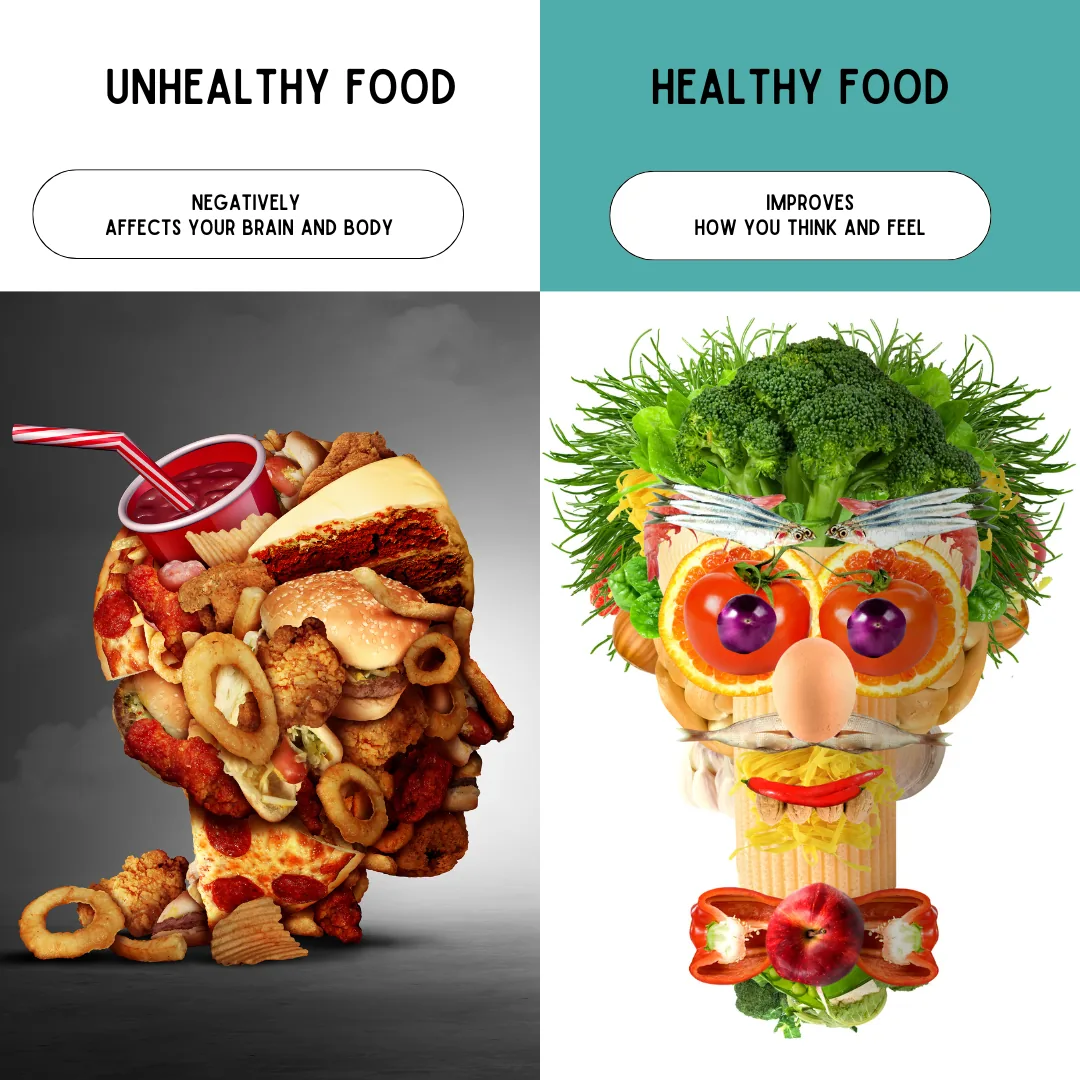
What you consume may influence more than your body. It may also affect your brain and emotional health over time.
Why This Matters More Than Most People Realize
Most people do not consume BHA or BHT in large amounts at one time. The concern is not usually about a single exposure. It is about repeated exposure over time.
When small amounts are consumed regularly through food, combined with additional exposure from personal care products and environmental sources, the total load on the body can begin to increase. This is especially relevant when the body is already dealing with other stressors such as poor sleep, high stress, inflammation, or nutritional deficiencies.
This is where the mind-body connection becomes important. The body does not separate these inputs. It responds to the overall load. When that load becomes too high, it can influence how the nervous system functions, how the body regulates stress, and how stable mood and energy levels feel on a day-to-day basis.
This does not mean that every symptom is caused by food additives. It means that for some individuals, these factors may be part of a larger picture that is worth paying attention to.
The food you eat can either fuel your brain or fog it. Choose wisely.
What the Research Suggests
Oxidative stress
Some research raises concern that these additives may contribute to oxidative damage rather than simply prevent it.
Hormonal disruption
The literature has noted possible interference with hormone-related processes, including testosterone.
Inflammation
Inflammatory burden may be one pathway through which physical health and mental health are both affected.
Brain function
Animal findings suggest possible effects on brain tissue and neurotransmitter activity, including dopamine pathways.
| Area of Concern | What the Literature Raises | Why It Matters |
|---|---|---|
| Hormones | Possible disruption of endocrine function | Hormones influence mood, energy, and overall health |
| Brain health | Potential changes in brain tissue and neurotransmitters | May affect mood, clarity, and emotional regulation |
| Inflammation | Possible increased inflammatory burden | Inflammation is linked to many physical and mental health conditions |
| DNA / oxidative stress | Concerns raised in toxicology literature | Suggests broader long-term health implications |
What Can You Do?
As a therapist and certified nutritional practitioner, I believe in addressing mental wellness from a holistic standpoint. Awareness is the first step toward transformation.
Read labels carefully
Watch for BHA, BHT, TBHQ, and artificial flavours in packaged products.
Choose whole foods
Opt for organic and minimally processed foods whenever possible.
Cook at home
Home cooking gives you greater control over what goes into your body.
Keep learning
Use reliable food safety resources — including Health Canada’s food additives guidance — to make informed decisions.
A Clinical Takeaway
Many men I work with focus on pushing through stress, fatigue, and low mood without looking at what may be happening underneath. Nutrition, inflammation, sleep, and environmental exposures can all influence how the brain functions.
Understanding this does not replace therapy. It strengthens it. When you support both the mind and the body, you give yourself a better chance at real, lasting change.
Frequently Asked Questions About BHA and BHT
What are BHA and BHT?
BHA (Butylated Hydroxyanisole) and BHT (Butylated Hydroxytoluene) are synthetic antioxidants added to processed foods, cereals, oils, and personal care products to extend shelf life by preventing oxidation. They are among the most widely used food preservatives in North America.
Are BHA and BHT safe to eat?
BHA and BHT are approved for use in food in Canada and the United States, but both are subject to ongoing scientific scrutiny. BHA is classified as a possible human carcinogen by the International Agency for Research on Cancer, and both compounds have been linked to endocrine disruption and neurological effects in animal studies.
How do BHA and BHT affect mood and brain health?
Emerging research suggests that BHA and BHT may interfere with dopamine signaling and thyroid hormone function — both of which are closely linked to mood regulation, energy, and cognitive performance. Regular high-level dietary exposure may contribute to subtle changes in mental clarity, motivation, and emotional stability.
How can I reduce my exposure to BHA and BHT?
To reduce exposure, prioritize whole foods over processed and packaged products, read ingredient labels on cereals, oils, snacks, and packaged baked goods, and choose products certified organic or preservative-free where possible.
Sources & References
BHA & BHT Overview:
Butylated Hydroxyanisole (BHA) — Wikipedia
Butylated Hydroxytoluene (BHT) — Wikipedia
IARC Classification:
IARC Monographs on the Identification of Carcinogenic Hazards to Humans
Regulatory Guidance:
Health Canada: Food Additives — Safety and Regulation
Chemical Classification:
Phenolic Compounds — Merriam-Webster
Additional Research Themes Referenced: Oxidative stress and cellular damage in toxicology literature; endocrine and hormone-related disruption, including testosterone impact; inflammation as a contributing factor in mental health conditions; animal studies examining neurological and brain tissue changes, including dopamine signaling (Environmental Health Perspectives, 2020).
Note: Some findings referenced in this article are based on animal studies and emerging research. Continued human-based research is needed to fully understand long-term effects.
Ready to Take a Closer Look at What May Be Affecting Your Well-Being?
If you’re beginning to see how food, lifestyle, and mental health may be more connected than you thought, support is available. Book an appointment for personalized guidance and care.
