
Strengthen Friendships with Effective Communication
This article is part of our communication series, exploring how better communication strengthens relationships, trust, and emotional connection. In this post, we look at how friendship communication helps men build deeper, more supportive friendships over time.
Quick Answer
Friendship communication is the ongoing practice of speaking honestly, listening attentively, and staying connected in ways that build trust, emotional safety, and depth over time. Research consistently shows that strong social relationships are one of the most significant predictors of both mental and physical health. A landmark meta-analysis found that people with adequate social connections have a 50% greater likelihood of survival compared to those with poor social relationships (Holt-Lunstad et al., 2010). For men especially, friendship communication is not just about staying in touch — it is a foundational part of resilience, emotional regulation, and long-term well-being.
About the Author
This article was written by Lance J. Jackson, MSW, RSW, CNP, founder of Evolution Counselling and Wellness. Lance specializes in men’s mental health, trauma, emotional regulation, relationships, and integrative approaches that consider both psychological and physiological factors influencing well-being. His work combines psychotherapy with nutrition, nervous system regulation, and lifestyle factors to help clients better understand what is happening beneath the surface and create meaningful, lasting change. He works with clients through virtual counselling and integrative wellness services in Newfoundland and Labrador and Ontario. Learn more about Lance and his approach
Friendship communication plays a major role in whether friendships grow stronger over time or slowly drift apart.
This article is part of our ongoing communication series, where we look at how communication affects connection in different parts of life, including friendship, family, romantic relationships, and everyday emotional well-being.
Ever feel like your friendships are slipping through the cracks? Maybe life got busy. Maybe everyone is working, raising kids, dealing with stress, or just trying to get through the week. Maybe the conversations that once came naturally have been replaced by quick texts, surface-level jokes, or long stretches of silence.
You are not alone. A lot of men assume friendships fade because there is no time. Time is part of it, but it is not the whole story. In many cases, what weakens friendship is not simply a packed schedule. It is a breakdown in communication.
Friendships do not usually fall apart in one dramatic moment. More often, they erode slowly. One missed conversation becomes months of distance. One misunderstanding is never addressed. One man assumes the other is too busy. The other assumes he is no longer wanted around. Neither says much. The connection weakens.
This is why friendship communication matters. Strong friendship communication helps men maintain closeness, build trust, repair misunderstandings, and create relationships that actually support mental health rather than just offering occasional company.
A lot of men want deeper friendships, but they are waiting for someone else to go first. Stronger connection often begins when one man decides to communicate more honestly than he usually does.
Why Friendship Communication Matters for Deeper Connections
Communication is the foundation of every healthy relationship, including friendship. Without it, friendships stay shallow, inconsistent, or fragile. With it, they grow stronger, more honest, and more resilient.
A landmark meta-analysis published in PLOS Medicine found that people with adequate social relationships had a 50% greater likelihood of survival compared to those with poor or insufficient social connections — a risk factor comparable in magnitude to smoking and greater than physical inactivity (Holt-Lunstad, Smith, & Layton, 2010). That finding puts friendship in the same category as major health behaviours, not a nice-to-have.
Friendship communication is not just about talking more. It is about learning how to communicate in a way that builds trust, emotional safety, and connection over time. That includes being honest about what is going on in your life, listening with attention instead of waiting for your turn to talk, checking in consistently, handling conflict directly instead of avoiding it, and creating room for both humour and depth.
When that kind of communication is present, friendships become more than shared history or casual contact. They become a source of strength. For men especially, this matters because friendship often acts as a buffer against isolation, depression, stress, and emotional shutdown. A solid friendship can help a man feel less alone in his struggles, more grounded in his life, and more able to cope during difficult seasons.
Key Truth
Strong friendship communication is not about always having the right words. It is about being honest enough, present enough, and consistent enough to help a friendship carry real life.

Friendship communication helps build trust, closeness, and the kind of connection that lasts through stressful seasons of life.
Strong friendship communication is not about fixing problems. It is about helping a friend feel seen, heard, and supported.
Building Deeper Connections Through Friendship Communication
Most lasting friendships are not built on constant contact. They are built on meaningful connection. That connection deepens when friends communicate openly and consistently enough to know what is really happening in each other’s lives.
A lot of men have friends they enjoy being around, but very few they feel truly known by. That difference matters. You can laugh with someone for years and still not know how they are really doing. You can go fishing, golfing, or grab coffee and still avoid anything vulnerable. You can call someone a close friend and yet never tell them when your marriage is under strain, your stress is through the roof, or you are not doing well.
When communication stays at the surface, friendship stays limited. But when communication becomes more honest, deeper bonds begin to form. This does not mean every conversation has to be intense. It means real friendship needs room for truth about stress, loneliness, fear, grief, frustration, and what life actually feels like rather than only how it looks from the outside.

Friendship communication creates the space for honesty, emotional safety, and stronger connection over time.
Why Men Often Struggle with Friendship Communication
A lot of men were not raised with strong models for emotional communication. They may have grown up in homes where men did not talk much about feelings. They may have learned that vulnerability was weakness, that emotional honesty was uncomfortable, or that needing support made you a burden.
So even when a man wants better friendships, he may not know how to create them. He may default to joking instead of speaking honestly, giving advice instead of listening, disappearing when life gets hard, keeping conversations practical instead of personal, assuming others should just know what he means, or waiting for the other person to initiate deeper connection.
Many men also fear awkwardness. They do not want to come across as needy. They do not want to make things weird. They do not want to risk being dismissed, misunderstood, or not taken seriously. So they stay surface-level. The tragedy is that a lot of men want closer friendships but are waiting for someone else to go first.
The Cost of Poor Friendship Communication
When friendship communication is weak, several things tend to happen. First, assumptions replace clarity. A man assumes his friend is too busy. Another assumes he is being ignored. Neither checks in directly. Both drift.
Second, important issues go unspoken. Maybe one friend feels hurt, dismissed, or forgotten. Maybe there was tension in a conversation, a cancelled plan, or a season of distance. If nobody addresses it, resentment grows quietly.
Third, emotional support disappears. When friendships are built only around activities or casual updates, they often struggle to hold weight when life becomes hard.
The result is isolation. Not because nobody cares. Because the communication is too weak to carry real life. Poor friendship communication can also create a false sense of connection — men may believe they have strong friendships simply because they have people to text or see occasionally. But if there is no honesty, no directness, and no repair when tension arises, the friendship may not be as strong as it appears.
Conflict Resolution in Friendships
Conflict is normal in friendship. Misunderstandings happen. Life seasons change. Feelings get hurt. Expectations go unspoken. Distance creates tension. The question is not whether conflict will happen. The question is how it will be handled.
Poor communication avoids conflict until the friendship weakens. Strong communication addresses it directly, respectfully, and honestly. That means saying things like, “I felt brushed off the other day,” “I have noticed we have been disconnected lately,” “I was not sure how to read that conversation,” or “I value this friendship, so I want to be honest about something.”
That kind of communication takes courage. But it protects the friendship. Conflict handled well can actually deepen friendship. It shows both people that the relationship is strong enough to handle honesty. It builds trust. It reduces resentment. It creates clarity.
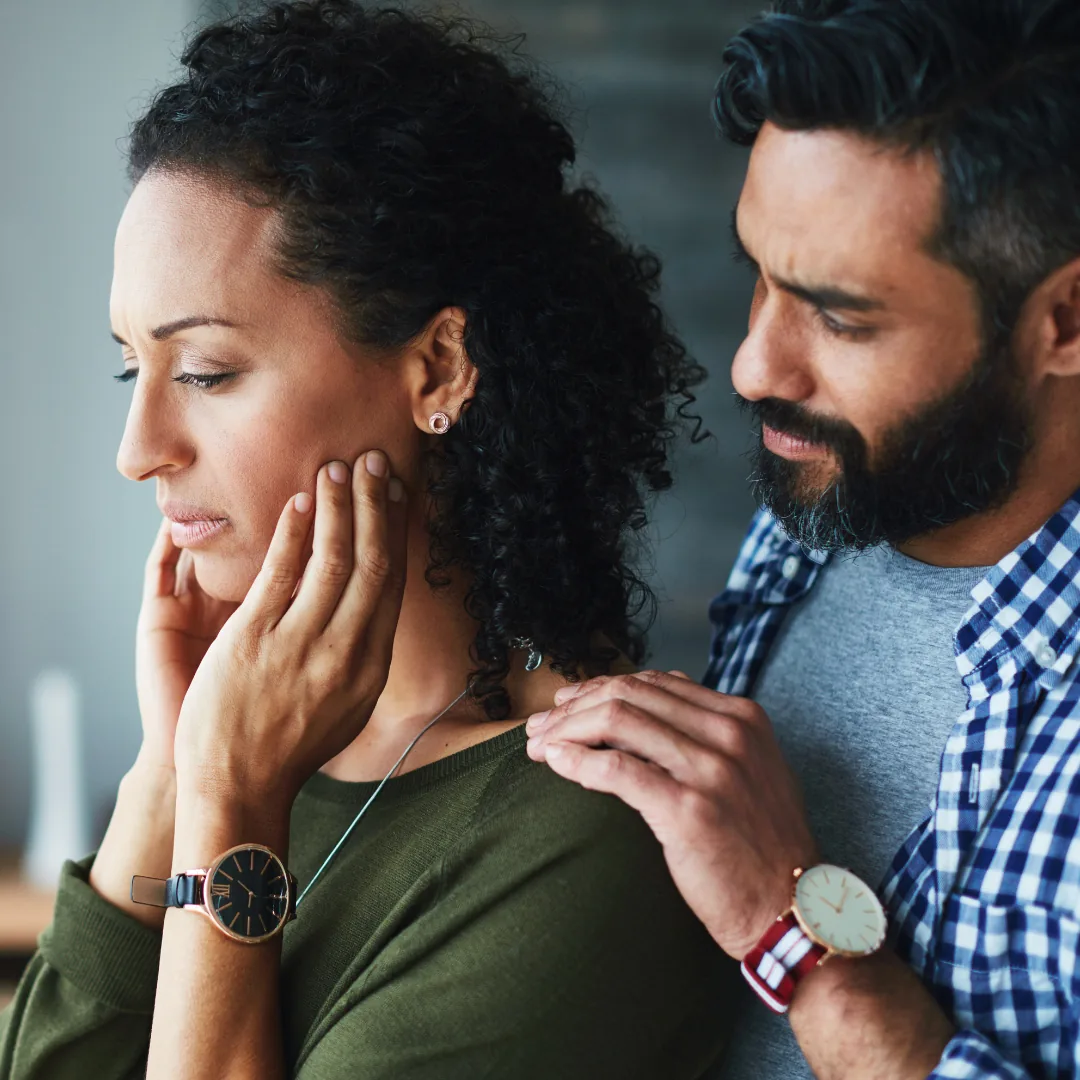
Healthy friendship communication makes it possible to address tension directly without destroying connection.
Friendship communication means choosing connection over being right, even when the conversation feels uncomfortable.
Practical Friendship Communication Tips
Strong friendship communication is built through habits, not good intentions alone.
1. Practice active listening
Real listening means paying attention, not interrupting, asking follow-up questions, and responding in a way that shows you actually heard what was said.
2. Say what you actually mean
A lot of men hint, minimize, joke, deflect, or hope the other person reads between the lines. Clearer communication strengthens friendship. If you miss your friend, say it. If something felt off, say it. If you appreciate him, say it.
3. Make room for emotional honesty
You do not need to dump everything all at once. But friendship grows when there is room for truth: “I have been under a lot of pressure lately,” “Honestly, I have been feeling off,” or “Things have been harder than I have let on.”
4. Respect boundaries
Good friendship communication is not only about openness. It is also about respect. Strong communication does not push. It invites.
5. Stay in touch on purpose
Research by Jeffrey Hall (2019) found that developing a close friendship typically requires between 50 and 200 hours of shared time — underscoring that deep friendship is not built in one meaningful conversation but through consistent, accumulated contact over time. Send the message. Make the call. Set the coffee. Follow up. Check in again.
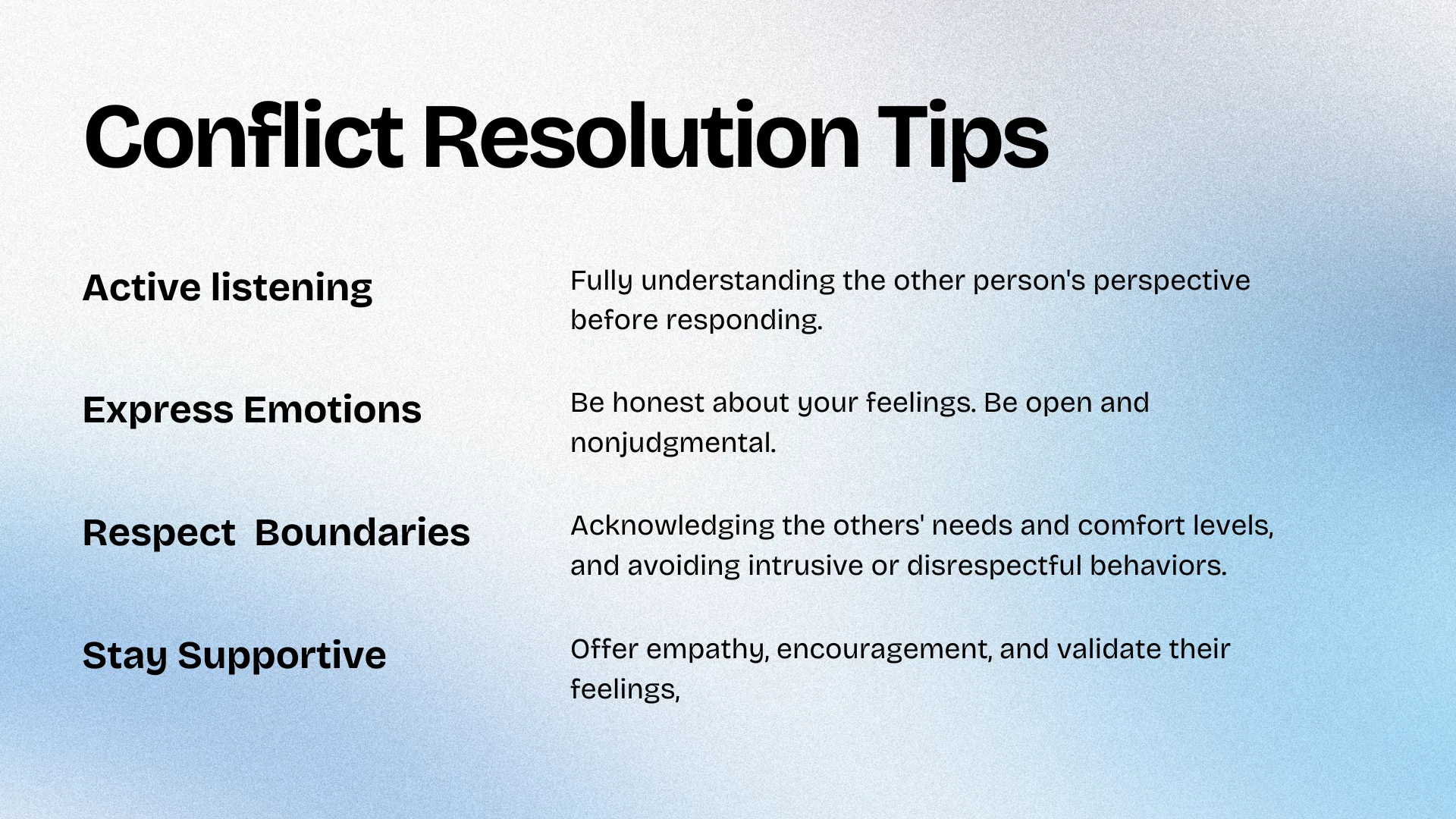
Healthy friendship communication is built through listening, honesty, respect, and intentional follow-through.
A Practical Framework for Friendship Communication
Ask better questions
Move beyond “What’s up?” and ask how your friend is really doing, what has been heavy lately, or what this season has felt like.
Listen to understand
Do not rush to fix, redirect, or compare. Slow down enough to hear what your friend is actually saying.
Say the real thing
If you care, say so. If you miss the friendship, say so. If something feels off, say so with honesty and respect.
Stay consistent
Strong friendship communication grows conversation by conversation, not through one big emotional talk followed by months of silence.
| Weak Friendship Communication | What It Looks Like | Healthier Direction |
|---|---|---|
| Assumptions | Guessing what the other person means without checking | Ask directly and clarify |
| Surface-level talk | Only discussing logistics, humour, or activities | Create room for honest conversation |
| Avoided tension | Ignoring hurt feelings or conflict | Address issues respectfully and early |
| Passive drifting | Assuming the friendship will maintain itself | Reach out intentionally and consistently |
Personal Insight
A lot of friendships do not end because the bond was never real. They weaken because nobody says what needs to be said. Better friendship communication does not eliminate every problem, but it gives the friendship a real chance to survive stress, distance, and misunderstanding.
The Research on Friendship and Well-Being
The evidence on friendship and health is substantial and consistent. Holt-Lunstad et al. (2010) found that social isolation carries health risks comparable to smoking 15 cigarettes a day. Hall’s (2019) research quantified the time investment required to build deep friendship. Both findings point in the same direction: meaningful social connection is not a luxury. It is a health behaviour.
Even outside the research, most men already know this from experience. They know what it feels like to have someone in their corner, to leave a conversation feeling lighter, or to be understood without having to over-explain everything.
Friendship is not a side issue. It is part of resilience. And communication is what keeps it alive. For more on the science behind social connection, explore the Here to Help BC – Effective Communication: Improving Your Social Skills.
Friendship Communication and Men’s Mental Health
This topic connects directly to men’s mental health. A lot of men say they do not want to burden other people, so they keep things to themselves. But isolation tends to intensify stress, anxiety, discouragement, and emotional shutdown.
Healthy friendship communication interrupts that pattern. When men have friendships where they can talk honestly, they are more likely to feel supported, grounded, and less alone. They are more likely to gain perspective. They are more likely to notice patterns earlier. They are more likely to seek help when needed.
That does not mean friendship replaces therapy. It means friendship often supports the same emotional health foundations that therapy helps build: honesty, connection, trust, emotional language, and relational safety. Explore more on this in our article on men’s mental health support.
When Friendship Communication Breaks Down
Sometimes, despite your best efforts, communication in a friendship stays weak. Maybe one person never goes deeper. Maybe hard conversations are always avoided. Maybe honesty is met with defensiveness or indifference. Maybe the friendship has become one-sided. Maybe trust has been damaged and repair never happens.
Not every friendship can or should be saved. Part of healthy communication is recognizing when a friendship is no longer mutual, healthy, or emotionally safe. That does not mean walking away at the first sign of difficulty. It means being honest about what is actually there. Some friendships need more effort. Some need clearer conversations. Some need better boundaries. And some may need to be released with honesty rather than maintained out of guilt or habit.
Seeking Professional Support
Sometimes the struggle is not just friendship itself. Sometimes a man’s difficulty with communication in friendship is connected to something deeper: shame, trauma, social anxiety, fear of rejection, emotional suppression, father wounds, attachment wounds, burnout, or depression.
In those cases, professional support can help. Therapy can help a man understand why he pulls away, avoids vulnerability, struggles to trust, or keeps relationships at a distance. It can help him develop healthier communication patterns, greater emotional awareness, and stronger relational confidence. That work often improves more than friendship. It improves how he communicates across his whole life. Learn more about my approach here.
Key Takeaways
- Friendship communication is one of the main factors that determines whether friendships deepen or slowly drift apart.
- Social connection is a major health behaviour — research by Holt-Lunstad et al. (2010) found adequate social relationships are associated with a 50% greater likelihood of survival compared to social isolation.
- Hall (2019) found deep friendship typically requires 50 to 200 hours of shared time, highlighting why consistent communication and contact are essential.
- Men often struggle with friendship communication because many were never taught how to communicate emotionally with honesty and clarity.
- Strong friendship communication builds trust, emotional safety, conflict repair, and deeper connection over time.
- Better friendships are often built through simple, consistent habits: checking in, listening well, speaking clearly, and addressing tension directly.
Frequently Asked Questions About Friendship Communication
Why is communication important in friendship?
Communication is what helps friendships build trust, emotional safety, clarity, and connection over time. Without it, friendships often stay shallow or weaken under stress, distance, or misunderstanding.
How can men improve their friendship communication?
Men can improve friendship communication by listening more carefully, speaking more honestly, checking in intentionally, addressing tension directly, and making more room for emotional honesty instead of staying only at the surface.
Can friendship communication affect mental health?
Yes. Strong friendship communication can reduce isolation, increase emotional support, and help men feel more grounded and less alone during difficult seasons. Research consistently links strong social relationships to better mental and physical health outcomes.
What should I do if a friendship feels distant?
Start with one honest step. Reach out, check in, ask a deeper question, or name the distance directly in a respectful way. Better friendship communication often starts with one conversation that becomes more real than usual.
Next Step
Think about one friendship in your life that matters to you. Now ask yourself: Have I been communicating honestly? Have I been listening well? Have I let busyness replace connection? Is there a conversation I need to have? Is there a friend I need to check in on?
Then take one step. Send the message. Make the call. Start the conversation. Say the thing that helps the friendship become more real. That is often where a stronger connection begins.
When You’re Ready To Take The Next Step
If communication struggles are affecting your friendships, your relationships, or your sense of connection, therapy can help you understand the deeper pattern and begin responding differently. You do not have to keep carrying isolation, awkwardness, or unspoken tension alone. Better communication can be learned.
Resources & Further Reading
Explore these trusted resources on friendship, social connection, and communication.
Greater Good Science Center: The Science of Social Connection
APA: Loneliness and Social Isolation
Explore the Full Communication Series
Men’s Mental Health Therapy at Evolution Counselling
